
Taking the pics: sourcing suitable imagery for your marketing communications
24th March 2016 - Last modified 16th September 2024
Written by Tim Cullum.
Finding relevant, original and engaging imagery to support your marketing communications can be time consuming, frustrating and expensive…but it’s important to get it right. In this blog I will explore the pros and cons of the various options available for sourcing images and offer my thoughts on best practice.
There are 3 main options available for sourcing images and your choice is likely to be determined by the project requirements eg. time, budget, media:
1. Free stock image libraries
– There are a number of sites that offer free images for commercial use in various forms, Pixabay being one of the largest and you might be surprised by the quality of the images available. Inevitably, there is a compromise; the free sites will never have the depth or range that paid-for libraries have, reducing your chances of finding something appropriate and increasing the risk of selecting an image that’s already been over-used. Often the functionality of the free sites is pretty basic as well, particularly when it comes to the search facilities.
2. Licensed stock image libraries
– It has to be said, even when you’re able to pay for stock images, pickings can be slim. If you want to avoid (as you should) the unrepresentative, grinning business people then you will have to invest a lot of time in finding the perfect picture. In niche sectors such as ours, finding technically accurate stock imagery can be virtually impossible. In these circumstances it can be tempting to use something a little more abstract and, depending on the circumstances, that might be OK. In my opinion it’s better to have a nice looking image that is perhaps less obvious, than something that supports the message perfectly but is aesthetically uninspiring. The only caveats to that would be to ensure the image doesn’t detract from the message and still retains some relevance.
3. Produce your own images
– Of course the alternative to stock is producing your own imagery and, depending on the application, eg. where the image will be used, this could range from a professional photoshoot to a quick snap taken on a mobile. If the image is only intended for digital use on a blog or social media post for example, then it doesn’t have to be perfect quality. Similar to above, a relevant and original image, even if it’s not the best quality, is still preferable to a crystal clear but clichéd stock image.
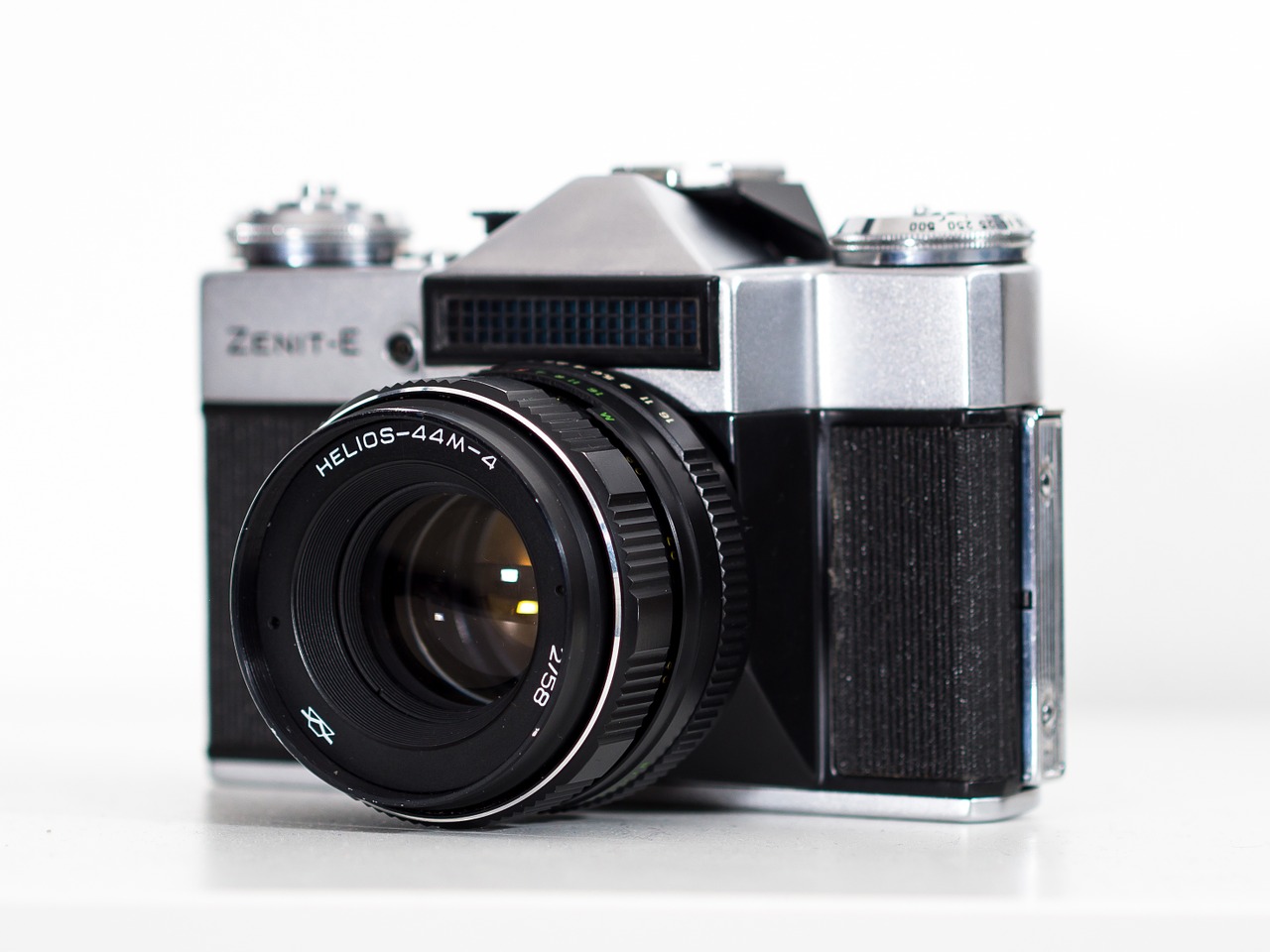
For more significant projects, a professional shoot could be a worthwhile investment. Costs for a day can be anything upwards of £600 but, once purchased, those images are yours to use on any future projects across a range of media, though make sure you negotiate the copyright first. What’s more, you can be sure they are original and shouldn’t be seen anywhere else without your permission.
In SEO terms, we know that original content is critical, but can search engines actually recognise if an image is original* or stock? We know that using appropriate imagery with alt text can help with SEO and it has been confirmed that Google recognises EXIF (Exchangeable Image File) data, such as the date and time an image was taken, so it’s reasonable to assume therefore that this data may be used to inform ranking.
Google does also use very sophisticated image recognition software and we know that image providers can track their images to monitor for unlicensed use, so it’s likely therefore that Google and other search engines could make a pretty good ‘guess’ about whether or not an image is original or not. However, whether they take this into account for ranking, is not clear.
So, to summarise, I’d say definitely consider other options before you turn to paid-for stock. Try the free ones first and don’t be afraid to take some of your own. For bigger projects, a professional photoshoot might be less than you think and could even save you time and money in the long-run.
*Of course, a search engine could only recognise an image that’s been made available online – as such, there’s no way it could know if an image is 100% original, only that it’s not ‘seen’ it before. But in search terms that’s all that matters.
Written by Tim Cullum – Digital Communications and Media Manager